
Year: 2020
Collections: Manuals, Conferences
Topics: Energy, Renewable energy
Authors:
Countries: Kazakhstan
Source:
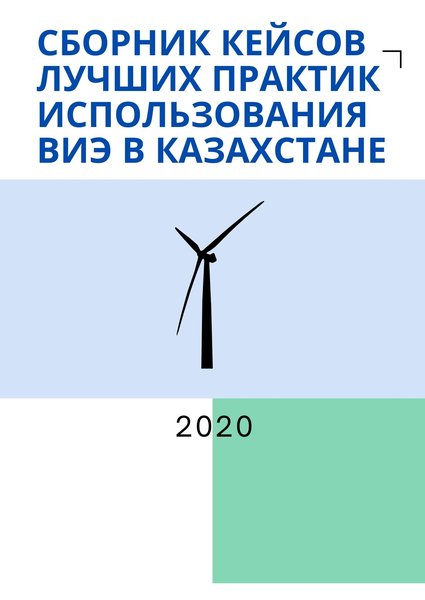
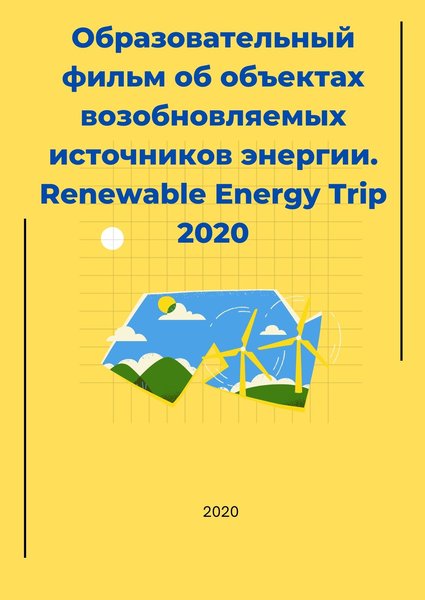
Кейсы лучших практик подготовлены участниками Образовательной поездки «Renewable Energy Trip 2020» к объектам возобновляемых источников энергии. Образовательная поездка была организована Казахстанско-Немецким Университетом (DKU), под руководством Алексея Кобзева, менеджера проектов по ВИЭ, при поддержке Federal Ministry for the Environment, Nature Conservation and Nuclear Safety (BMU); и Deutsche Gesellschaft für Internationale Zusammenarbeit (GIZ) GmbH, являясь германской федеральной компанией, GIZ оказывает поддержку правительству Федеративной Республики Германия в реализации поставленных им задач в сфере международного сотрудничества в целях содействия устойчивому развитию; в рамках International Climate Initiative (IKI), а также при содействии Министерства энергетики Республики Казахстан и Казахстанской ассоциации
солнечной энергетики.
Year: 2020
Collections: Scientific Publications, Research Paper
Topics: Gender
Authors: Бозорова М. А.
Countries: Uzbekistan
Source: Central Asian Journal of Water Research
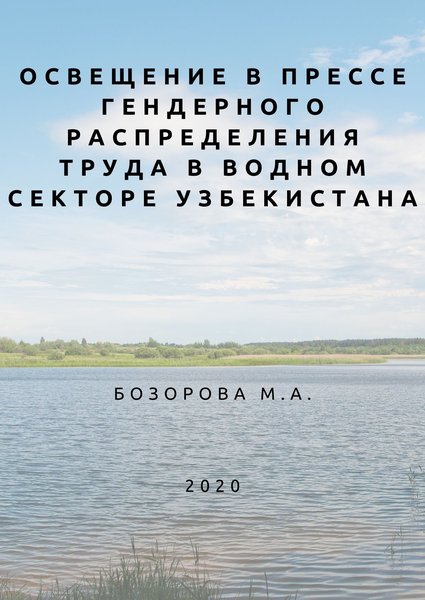
В статье анализируются вопросы освещения в прессе гендерного распределения труда в водном секторе Узбекистана. Предметом исследования определены контент, виды, методы, формы, приёмы и принципы освещения темы в периодических изданиях «Народное слово», «Правда Востока», «Даракчи». Цель научного исследования – изучить на основе анализа деятельность и подходы узбекистанской прессы по освещению гендерного распределения труда в водном секторе, стереотипы в освещаемой теме и пути их устранения.
Year: 2020
Collections: Research Paper
Topics: IWRM
Authors: Гафуров А. А., Kalashnikova O. Ju., Niyazov J.B.
Countries: Kazakhstan, Kyrgyzstan, Uzbekistan, Tajikistan, Turkmenistan
Year: 2020
Collections: Scientific Publications, Research Paper
Topics: Water
Authors: Хайдаров А.
Countries: Uzbekistan
Year: 2020
Collections: Scientific Publications
Topics: Water
Authors: Hamdard M. H., Soliev I., Xiong L., Klove B.
Countries: Afghanistan
Year: 2020
Collections: Manuals
Topics: IWRM
Authors: Кобзев Алексей, Януш-Павлетта Барбара, Такенов Жарас, Когутенко Лариса, Кусаинова Майра, Ёдалиева Мархабо
Countries: Kazakhstan
Source:
Year: 2020
Collections:
Topics: Water, Climate, IWRM, Water diplomacy, Transboundary Water Resources, Water Security, Hydropower
Authors: Melinda Davies, Nathanial Matthews
Countries:
Source: International Journal of Water Resources Development
The article focuses on how China’s Belt and Road Initiative (BRI) may affect water resources and water governance in Central Asia. The authors consider Central Asia as a region that already faces a complex water situation, including transboundary rivers, water scarcity, the dependence of agriculture on irrigation, the environmental problems of the Aral Sea, weak coordination between countries, and the impacts of climate change. Against this background, the development of infrastructure, industry, hydropower, and agriculture under the BRI may increase pressure on water resources.
Year: 2020
Collections: Scientific Publications, Research Paper
Topics: Water
Authors: Крупа Е., Баринова С., Романова С., Аубакирова М., Айнабаева Н.
Countries: Kazakhstan
Source: Central Asian Journal of Water Research
Цель настоящего исследования заключалась в определении классов качества пресных вод в разделе «Тяжелые металлы» Региональной экологической классификации на основе данных за длительный период времени (1997-2017 гг.).
Year: 2020
Collections: Scientific Publications
Topics: Water, Water diplomacy
Authors: Harlan Koff, Carmen Maganda, Edith Kauffer
Countries:
Source: Water International
Water diplomacy aims to shift water disputes from zero-sum games into positive-sum cooperation models though actor-driven approaches. Small states are often viewed as facilitators of diplomacy through a commitment to regionalism and consensus, which highlights their influence in international affairs. Responding to the research question, ‘How do “non-decisions” lead to status quo in water diplomacy?’ this article discusses how regional water diplomacy based on influence is weakened by the domestic shortcomings of small states’ political systems, where authorities use non-decision-making to maintain a status quo that guarantees their legitimized power.
Year: 2020
Collections: Video
Topics: Energy, Renewable energy
Authors:
Countries: Kazakhstan
Source:
СЭС - Бурное Солар-1
СЭС - Капчагай
СЭС - Байконур Солар
СЭС - НУРА “HEVEL”
СЭС - Сарань
ВЭС - Кордай
ВЭС - Ерейментау
ВЭС - Астана EXPO-2017
ГЭС - Мерке
ГЭС - Интумакская
Полигон ВИЭ и экспериментальная площадка НУ
Мечеть с нулевым энергопотреблением «Цветок Всевышнего» в г. Нур-Султан.
Year: 2020
Collections: Scientific Publications, Research Paper
Topics: Water
Authors: Нормахмедова З.О., Курбонов Н.Б.
Countries: Tajikistan
Source: Central Asian Journal of Water Research
В данной статье представлены результаты исследований динамики изменения химического состава воды озера Искандеркуль и впадающих в него рек, а также сравнение результатов качества воды водных объектов бассейна Искандеркуль и некоторых средних притоков реки Зарафшан.
Year: 2020
Collections: Scientific Publications
Topics: Water
Authors: Thevs Niels, Tesch N.
Countries: Kazakhstan, Kyrgyzstan, Uzbekistan, Tajikistan, Turkmenistan
For questions about cooperation, please contact us at: